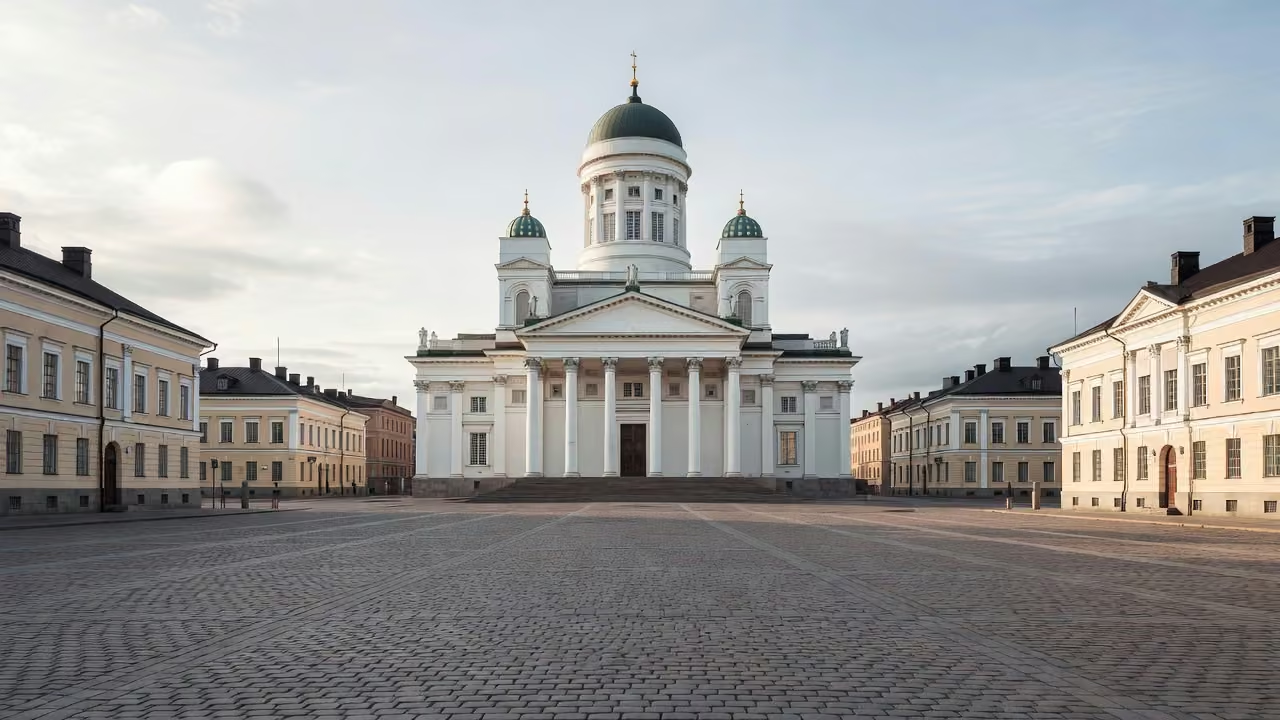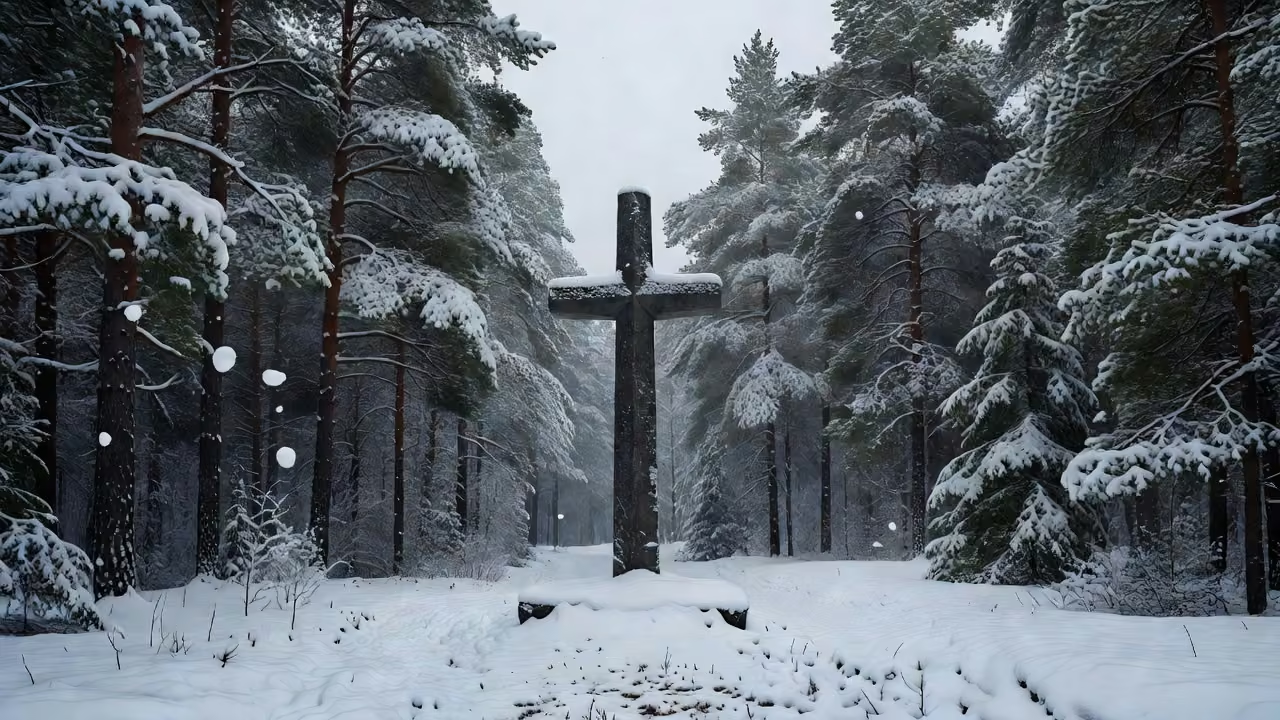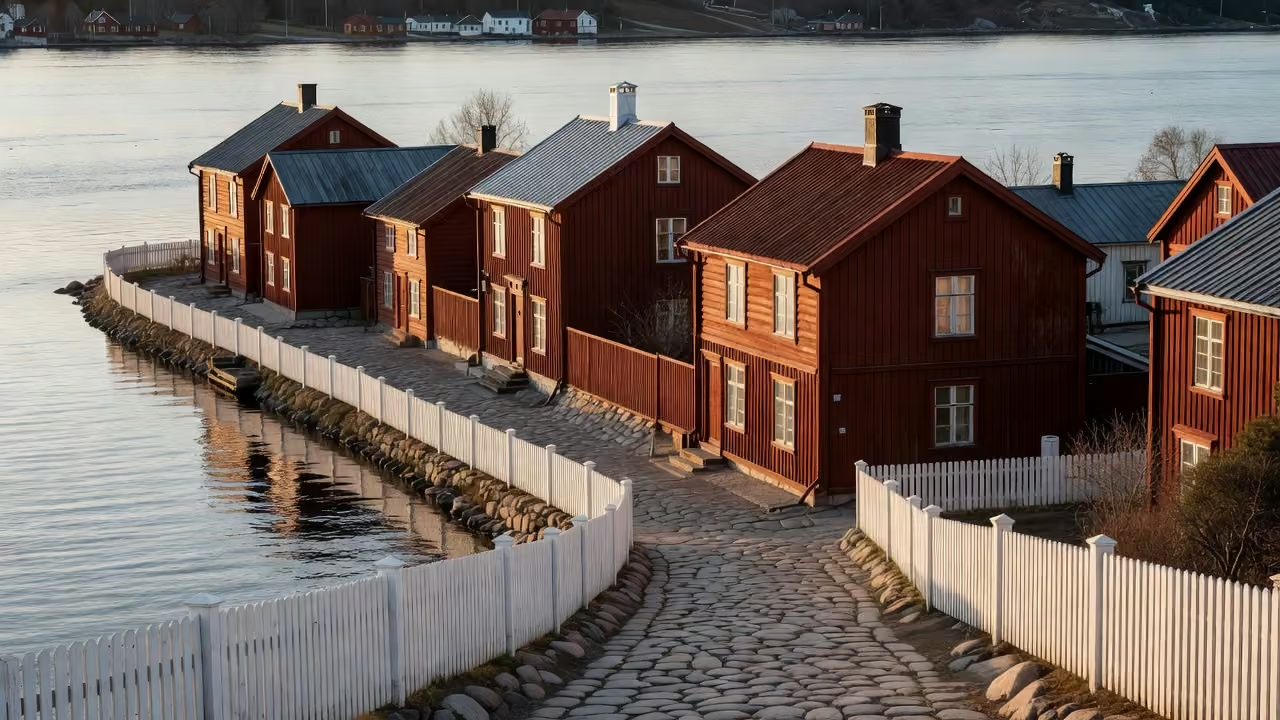
At the heart of medieval Finnish society stood the Church. It brought writing, stone building and a new calendar, and its parishes organised the daily life of towns and the countryside.
Under Swedish rule, the Church became the richest and most influential institution in the land, shaping everything from law to learning.
The coming of Christianity
Christianity reached Finland through the same crusades and trade contacts that tied the land to Sweden and Western Europe. By the 12th and 13th centuries, the new faith was firmly established along the coasts and in the settled regions.
The old pagan customs did not vanish overnight. Rather, elements of older belief merged with the new religion, and the Church worked gradually to shape everyday life, holidays and even the landscape of farming.
Bishops and saints
Finland had its own bishopric by the 13th century, centred on Turku. The episcopal authority oversaw the building of churches, the education of priests and the collection of taxes for the Church. Saint Henry, a legendary English bishop, became celebrated as a patron figure of Finnish Christianity.
The Church as an institution
The Church owned farms, forests, fisheries and mills, and its income made it the wealthiest institution in the land. It employed priests, clerks and builders, and it sheltered the first learning.
- Parish churches served as the centre of every community.
- The Church collected a tithe from the harvest and livestock.
- Bishops sat in the royal council and influenced affairs of state.
Monasteries and learning
Finland's first monasteries appeared in the high Middle Ages. The Dominican and Franciscan orders founded houses in the towns, where they ran schools, copied manuscripts and cared for travellers and the sick.
The clergy were almost the only literate people in the land. As scribes, they recorded land deeds, conducted services and preserved the earliest written documents of Finnish history.
The medieval parish
The parish was the basic unit of medieval Finnish life. Its church, bell tower and cemetery stood at the centre of the village, and its boundaries shaped the sense of belonging for centuries.
The rhythms of the Christian year, marked by feast days and markets, came to frame the Finnish year. The legacy of this medieval Church is visible today in the parish system, the old stone churches and the deep-rooted Lutheran tradition of Finland.
Frequently asked questions
When did Christianity arrive in Finland?
It became firmly established during the 12th and 13th centuries, through the crusades and trade contacts that tied Finland to Sweden and Western Christianity.
Which bishopric governed the Church in Finland?
The bishopric of Turku, founded in the 13th century, was the centre of the Finnish Church throughout the Middle Ages.
What role did the Church play in society?
It organised parishes, collected tithes, provided the only formal schooling, built the first stone buildings and acted as the wealthiest and most influential institution in the land.
Keep reading