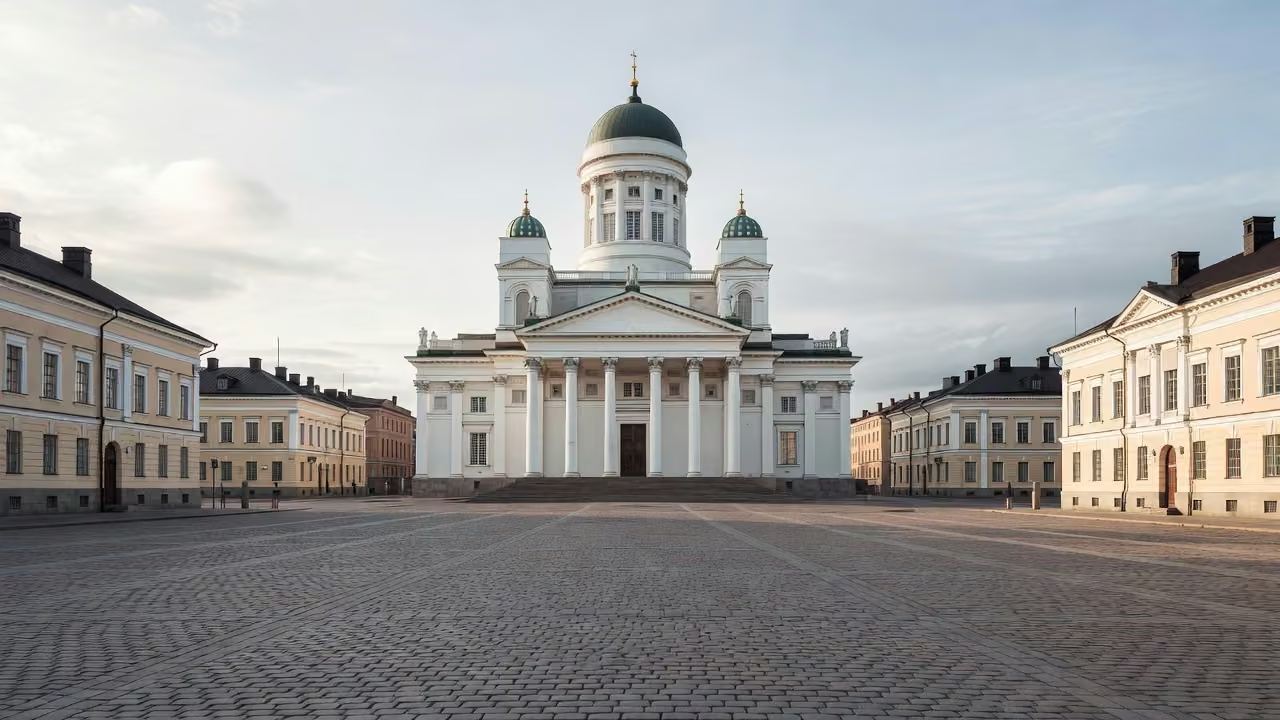
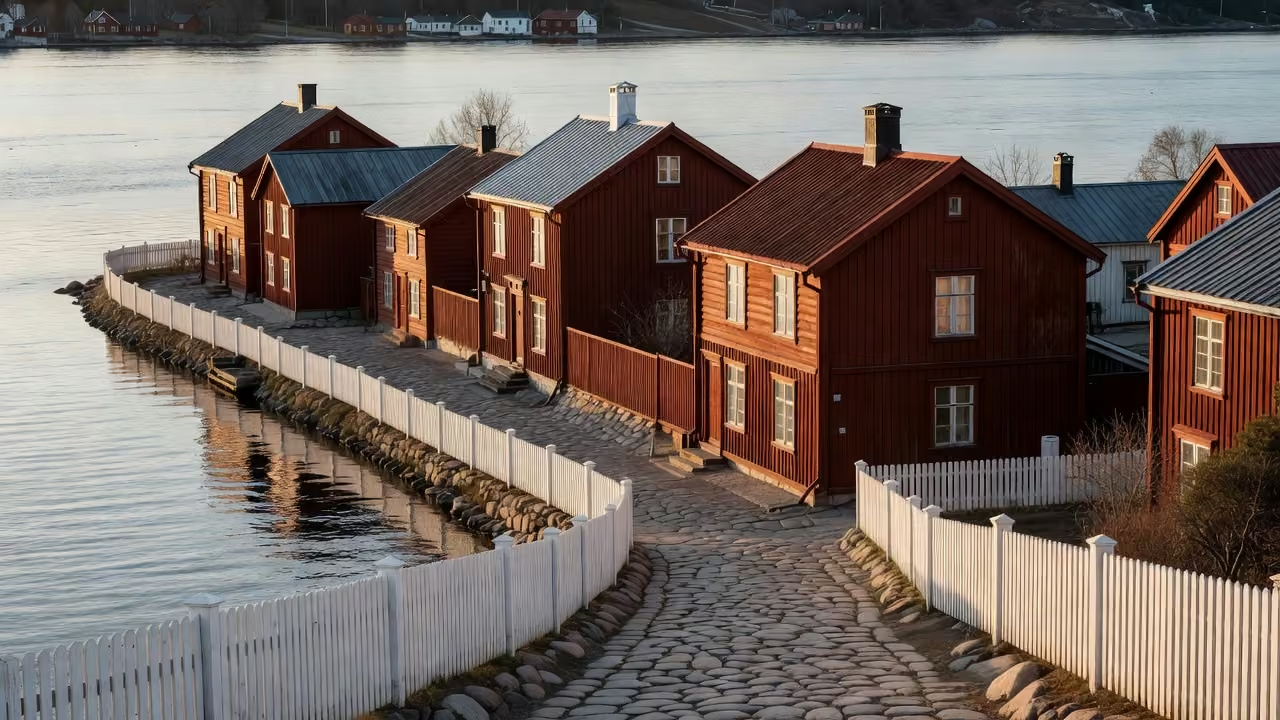
At the mouth of the river Aura stands Turku, the oldest city of Finland and for centuries its capital. Before Helsinki existed, Turku was the undisputed heart of the land.
Its cathedral and castle faced each other across the river, together symbolising the two great powers of the medieval world: the Church and the crown.
A city at the mouth of the Aura
Turku grew up where the Aura river meets the Baltic, on a natural harbour sheltered for trade and travel. The city developed during the 13th century and quickly became the largest and most important settlement in Finland.
Its position connected the interior of Finland with the sea routes across the Baltic, making it the natural gateway for goods, people and ideas.
A royal and episcopal seat
Turku was the seat of the bishop (later archbishop) of Finland, and the crown's most powerful castle in the north stood on its riverbank. Kings, bishops and nobles gathered here, and the city was the centre of political life.
The cathedral and the castle
The cathedral of Turku, begun in the late 13th century, was the principal church of Finland. It stood at the top of the town, a visible sign of the Church's authority, and it remains the most important medieval building in the country.
- The cathedral served as the burial place of bishops and leading figures.
- Turku castle guarded the city and acted as an administrative and military centre.
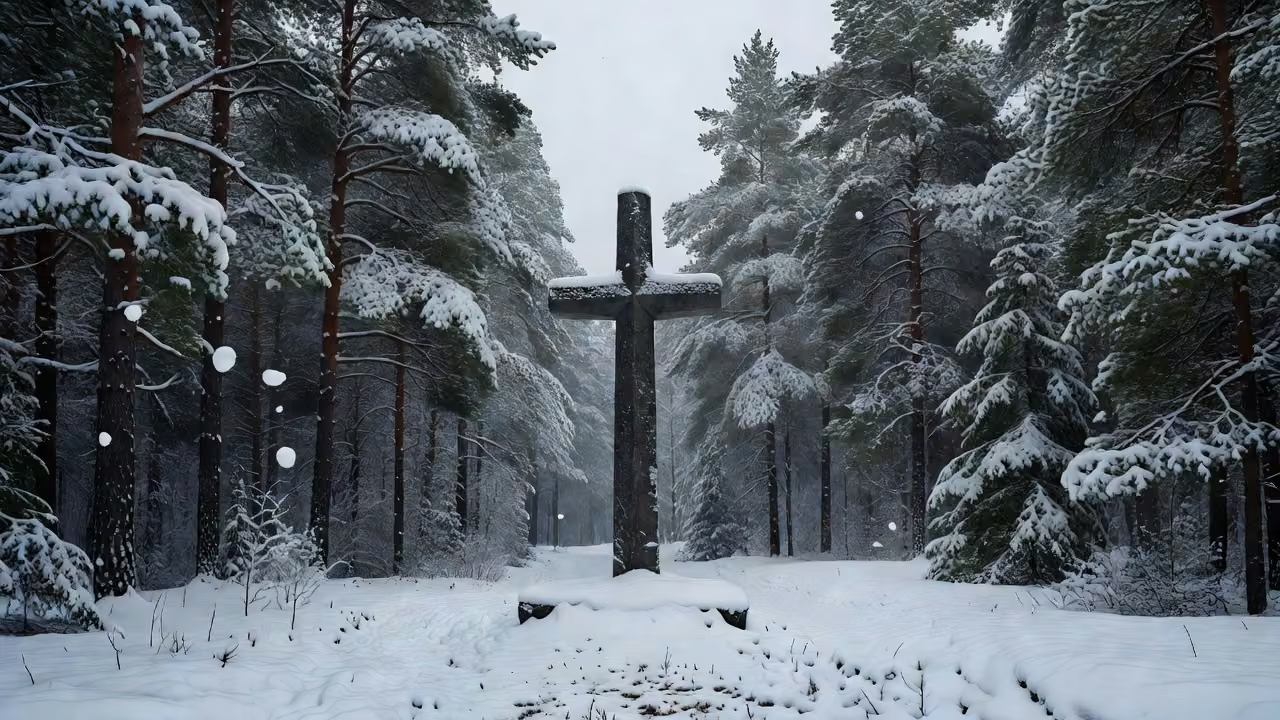
- Together they embodied the partnership of cross and crown.
The castle, built on its island in the river mouth, controlled the approach to the city and served as a royal residence, prison and storehouse. Its walls held the offices of the provincial government.
Trade and the Hanseatic link
Turku prospered as a trading town, linked to the great Hanseatic market of the Baltic. Merchants brought salt, cloth, grain and metal, and carried away furs, fish, butter and other northern goods.
The town had its own council, courts and market rights, and its burghers grew wealthy enough to build stone houses and endow the churches and monasteries.
Turku's medieval legacy
For more than 500 years Turku was the capital of Finland. Its university, founded in 1640 in Turku, was the first in the land, and the city remained the cultural and religious centre until the capital moved to Helsinki in 1812.
Today the medieval cathedral and castle still dominate the city, reminders of the centuries when Turku was the beating heart of Finland.
Frequently asked questions
Why was Turku the capital of Finland?
It was founded in the 13th century as the seat of the bishop and the crown's main castle, and it grew into the largest city, the trading hub and the religious centre of Finland.
When did the capital move away from Turku?
The capital was moved to Helsinki in 1812, during the era of the Grand Duchy under the Russian Empire.
What was Finland's first university?
The Royal Academy of Turku, founded in 1640, was the first university in Finland.
Keep reading